Lessons for all relationships
Hey witches,
I truly feel that you can’t give tips in one part of your life without it affecting the other. Hence, why this blog is about conscious integration and mixing things together. We’re building our ladders to build those things that seemingly don’t fit and use our interwoven skills and abilities to bring ourselves up to new heights.
As I said in my previous posts, we all have a little magic within us. Part of building and maintaining that magic is taking care of yourself and finding ways to build community. A big part of community is made up of relationships and finding ways to connect with people. While we may separate our dating life from our professional life, there’s a lot of overlap because both deal with people. I’ve found that a lot of these leadership tips touch on this in a superficial way. They are really more for honing in on your skills to genuinely connect with people, one of the main ways is through communication.
Communication is of course a big one, but there are other things you can work on when it comes to mindset. Humans are community-based beings, all of these things are basically fundamentally connected for us and play a part socially, no matter how much we want to put things in a box. This post is about finding more ways to tune-in with that part of yourself.
I’ll start off with the truth that you can not change how the other person reacts, but you can change how you respond to something, which can be enough. Sometimes giving yourself a moment to breathe can make all the difference. Think about those moments where something happens that causes you to react negatively but ultimately was harmless. What order does that happen in? You feel it in your body first, feeling heat on the neck or face or getting chills. When you feel those things first, your brain has to take a minute to pause and process what is happening to you physically. Sometimes it’s easy to go to an old tried and true narrative to match those feelings. Maybe something triggers a feeling you commonly felt as a child. That emotion relates to your childhood and now you’re thinking about your personal situation and subconsciously applying it to your current one. Your brain fills in the blanks to make it connect.
What you’re feeling in those moments may not be the full truth, which is why it’s important to pause and process. Sometimes when you communicate and realize the other person’s perspective that you’re wrong. That’s not to say every situation you experience will be like this, you still need to trust your instincts and watch out for danger. To be able to do that better though, you need to know where what feeling comes from and become more in tune with yourself. I know I’ve had minor situations where I felt slighted and realized that it originated from previous trauma. Yes, there were still problems that were resolved, but I realized in that moment how much our past experiences and that nervous system conditioning can have on the body.
Think about the time you’ve experienced heartbreak and what that feels like in the body: a pain in the chest, like a rock that’s weighing down your heart. Think of what other situations have you felt similar, doesn’t have to be exactly the same, but similar at work. What was that moment? I assume you weren’t dating the person but they still had a similar affect on your body that caused those similar reactions. It’s vital to tap into that self awareness on why you feel these things in the moment and doing the inner work on yourself to affect how you respond to those things. It does help you relate to people on a whole new level when you’re able to see your own demons and face them, it allows you to be vulnerable in a way that causes people to reciprocate. I want you to all work on tapping into that magic within yourself.
People don’t need to see your first response, like a partner, you can cool off first before you respond to them. Again, you can’t change how other people respond, but you can change how you do, which can make all the difference. I remember when I was taking a relationship class in college and they talked about how families and people will get into the same patterns when arguing with each other. It’s very easy to revert back to your old habits, especially if you’re with someone who brings complicated emotions.
Which leads me to my next point, pick your fucking battles. This one isn’t really from a book, more so relationship experience from both in and outside of work. Not everything is worth a fight, some things truly are, but save your energy for those things, not the trivial stuff. I know a few people who believe that arguing equals passion and they’re wrong. You can have passion and strong feelings without anger and arguing; it’s better quality too.
Also, when you care more about being right, that usually leads to caring more about that than actually solving the problem. If you have a partner, or a team, you should see that problem as working together to solve it. When it becomes an “us versus them” type of mentality is when you lose; maybe not the argument but that sense of togetherness you previously had when you weren’t pitting yourself against them.
These reactions usually take root through attachment theory and how you were raised. How you were handled as a baby really can make a huge difference on how you develop. I could go into attachment theory, but I would recommend reading how this article shows attachment theory and relationships.
My best book recommendation to learn about attachment theory would be Polysecure: Attachment, Trauma and Consensual Nonmonogamy by Jessica Fern. This book was actually recommended to me by my therapist and I can say confidently that I’ve gotten a lot out of it. You don’t have to be polyamorous to benefit from this book, I have shared with everyone I can because it truly does help. I will say that it’s interesting but parts of it read like stereo instructions, like The Book of the Dead in Beetlejuice.
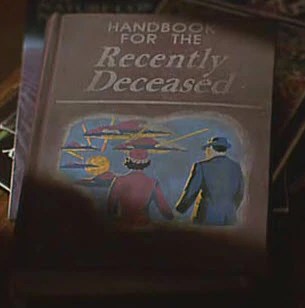
It all goes back to attachment theory though. If that’s the type of relationship that you have with your family especially during your early attachment phase, it’s going to affect how you interact with people in more ways than one. Attachment theory doesn’t just affect your relationships, having non-secure attachment can lead you to react to things that may not affect an individual with secure-attachment. If you have avoidant or anxious attachment style (Polysecure says that our attachment styles are dynamic and can shift depending on situations), you’re going to have a negative response to stresses that you’re physiologically not able to deal with.
I hope this gives further insight into how your initial reaction from your trauma can hinder your interpretations of things. Your nervous system gets used to being in fight or flight response, feeling like things constantly like a stab to your psyche. Pay close attention to your body when things like this trigger it and tell me if I’m wrong.
So how do you fix things like this? It feels insurmountable to accomplish something and work towards making yourself whole. I know it can feel impossible, it’s definitely a work in progress. For me, part of it was getting in touch with my inner child more. Also making my own family with people I relate to, not blood, was a big one.

Polysecure talks about how love can heal, which I truly believe is true. Being able to love allows someone to be able to trust, have affection on them. It causes you to conquer those things that held you back. I definitely agree with that, and I think even if you’re alone, which I spent a lot of my life in, is that you should start with figuring out how to love yourself.
Sometimes loving yourself can be the hardest goal to achieve, but it’s something we should all strive for. We spend every moment with ourselves and can’t escape that, it’s something we should make peace with and grow to love. That is honestly what allows you to later learn to love other people and be loved back. It can be the scariest thing to conquer though, I understand why it’s hard for people to start the journey to do.
I would say though, if you can’t do that, at the very least, start being kinder to yourself than you otherwise are. I’ve lived a life that had a lot of self-hate and in my situation, I know I was harder on myself than I was on any other person. It caused me a lot of stress mentally and physically. If it’s one thing you can do if you can’t love yourself, is to do that. Just be nice to yourself, show yourself some grace in hard situations. Pretend you’re someone else, anyone else, whatever you need to start rewiring your brain into this habit. You’re only human and you’re doing your best. Make baby steps towards theses goals and focus on the journey, not on what you’re lacking. I’ll be there to help you every step of the way.
Take care of yourself and look out for each other.
Erika
P. S. More reading if you’re interested on attachment theory and leadership: https://www.psychologytoday.com/us/blog/leadership-diversity-and-wellness/202310/attachment-styles-matter-in-the-workplace
 The Witch Who Builds Her Own Ladder
Leave a comment